10.7.09

Quiz

Hi Linda,Juliane and Michael,
I have a little quiz for you. Please answer me how you respond without too much consideration.

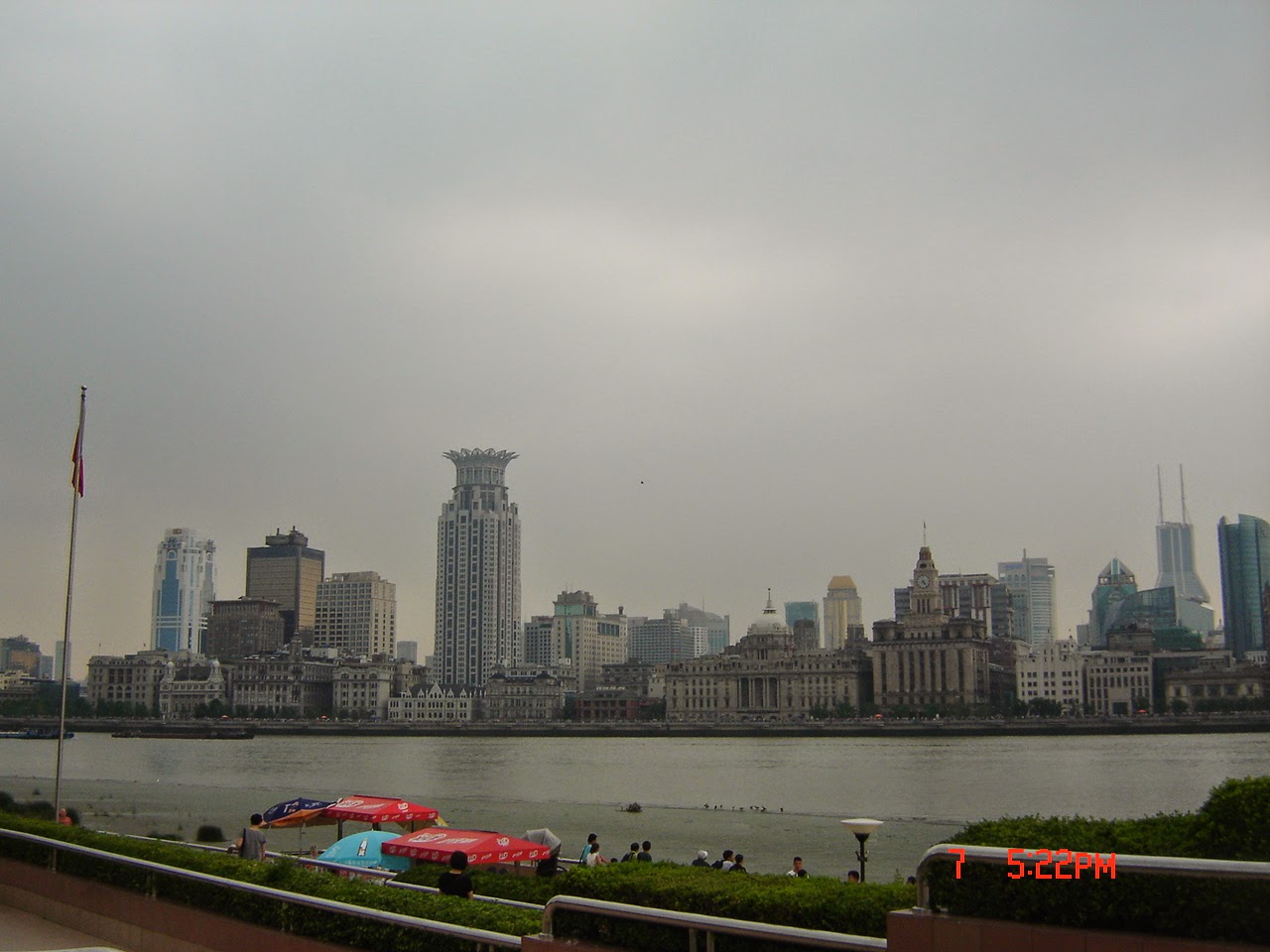
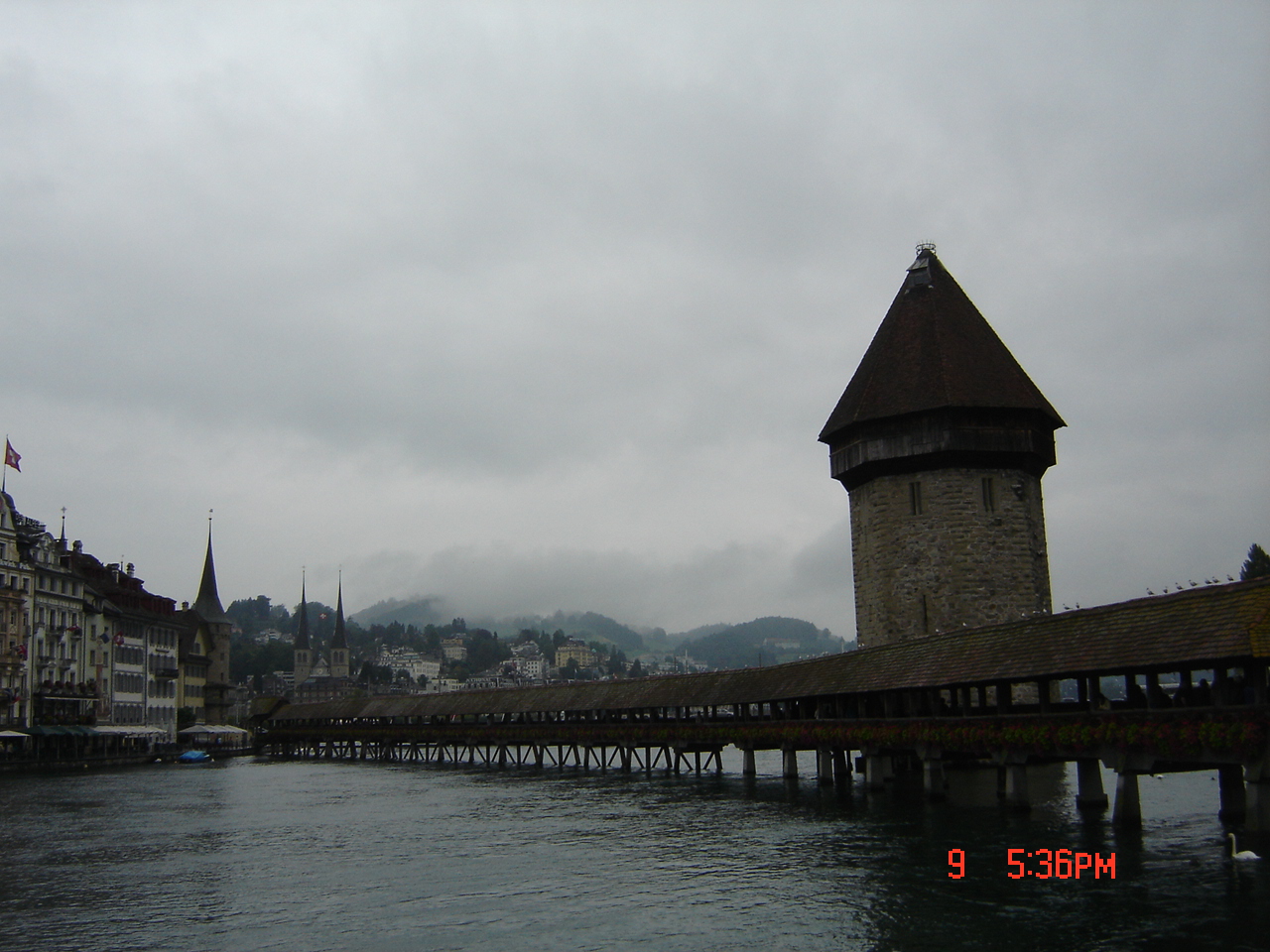
You are driving a car and your father or mother seated next you in Japan or UK where people drive on the left side. The picture is how you see the road ahead. You are looking for a space to park.

Your father or mother say:
"Park behind the car."
The car means the car in the picture below. Where do you park it?

Belgium

On 26th of June, I left Modena for Brussels to see my friends: Nuno, Lu and David.
This time, Nuno and Lu took me to the South, a small village in the French-speaking region. On a hill, there is a restaurant.
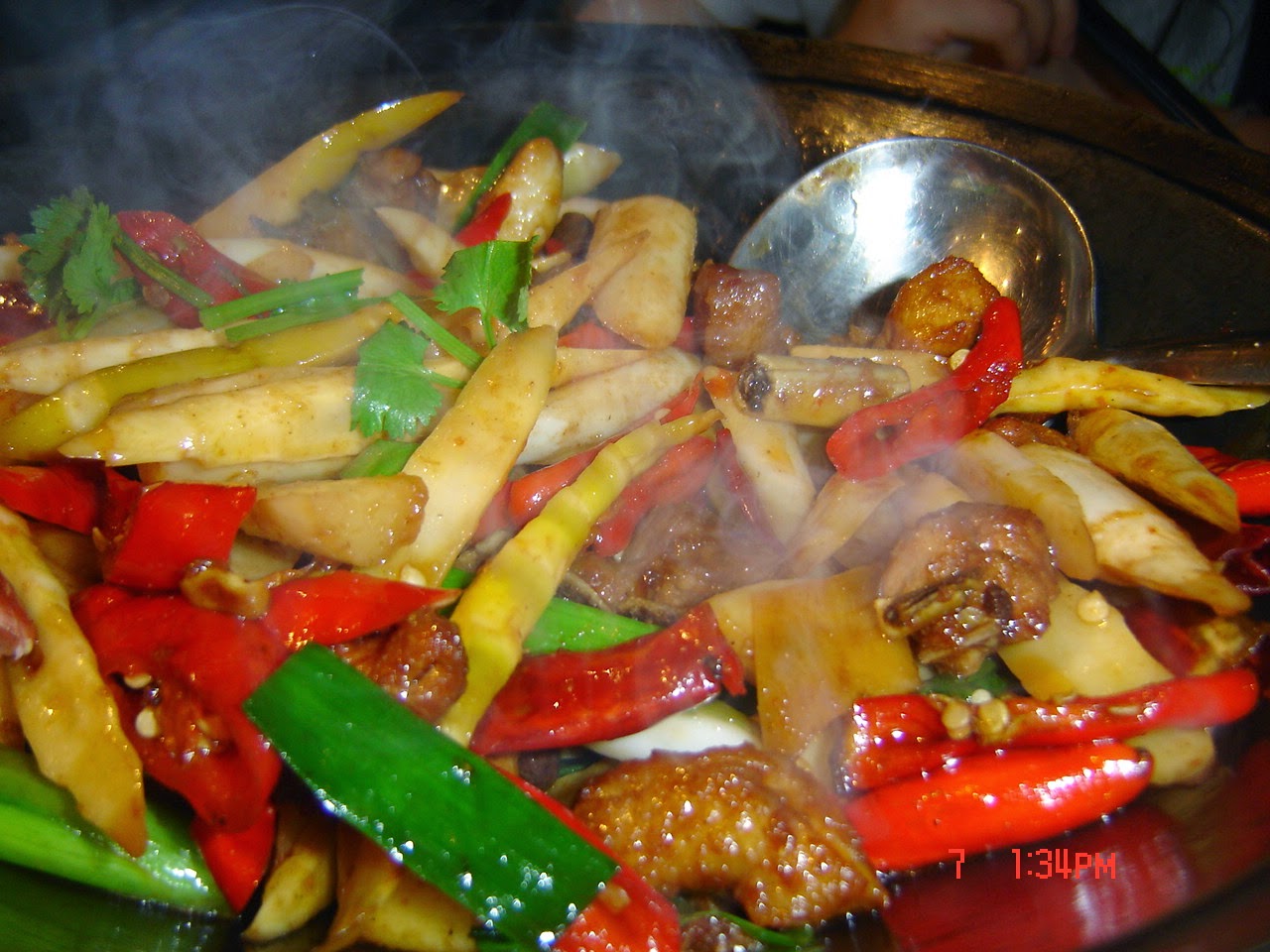
As you can see in the pictures. The restaurant keeps animals. The food was excellent. The portion was a little too big for me.


On Sunday, we went to a large concert and there we met David and his friends.


-Lu's Chinese massage and therapy shop: Green Therapy in Brussels-


-Nuno with a Portuguese tailered suit-

8.7.09

Another trip to Italy (Part12): Frittata

On June 26, Friday, three students at Romanica is leaving, including me. So, at class, Yurika, a Japanese girl is going to bring Italian cakes for us. Jorge, a Spanish man from Zaragoza volunteered to make Spanish omelettes / Tortilla de patatas.
As I wanted to learn a correct way of making Tortilla, I asked him.
"If you make some tortilla, can I come to see how you do it? I can also help you."
"OK, we first go to the market to buy ingredients" Jorge answered."
After grocery shopping at the market, we went to Jorge's appartment to prepare it.
He said "Tortilla should be cooked a day before you serve."

OK, here is a recepe:
-Spanish Omelettes (EN) / Tortilla de patatas (ES) / Frittata (IT)-

Ingredients (4 - 5 persons)
- 4 or 5 large potatoes
- 4 eggs
- 1 midium size onion
- Salt
- Olive oil (for frying)

1. Slice potatoes and an onion. The thickness of potatoes should be around 4mm. If a slice is too thick, it takes more time to become soft. Beat eggs in a bowl and add some salt.

2. Pour olive oil on a large frying pan and heat it. It is advisable to use a tefron-coated pan in order to avoid the result that the ingredients stick to the bottom of a pan.
3. Add potato. Turn the potato every now and then.Add some salt.
4. Once potatoes become softer, then add slices of onion. Turn the potato every now and then. Once fried, break potatoes


5. Once the ingredients are cooked, remove extra oil. Do not forget to squeeze fried potato a bit so that oil can be removed. Then put the fried potato and onion into the bowl. Mix it well with the beaten egg.

6. The pan should be heated in a middium heat. Then add the mixture. Once the mixture starts to be cooked, Shake the pan slightly right and left so that the mixture starts to form a round omelletes.

7. Once one side is cooked, place a large plate over the pan. Turn the upside down. (This is the most difficult part.) From the plate, put back the half cooked omelettes onto the pan. Then cook the other side.


If you succeed, the omelettes should be like the picture above. You need a Spanish Mama or a Spanish man to explain how to cook. To cook the Spanish Omelettes for 4 or more people, you need to be a little macho.


7.7.09

Another trip to Italy (Part11): Balsamic vinegar

Julian, now I am going to write about my visit to the "acetaio (vinegar cellar)". In order to understand a balsamic vinegar, you must know it has different categories in this product.

The one is used for daily consumption, including a use of salad dressing, can be said "balsamic dressing". This is labelled "Aceto Balsamico". If you look at the label, it shows various ingredients: wine vinegar, sugar, calamel colouring etc. It is fabricated through a factory proces. It takes a few days to get a final product. Well, I would say it is a good vinegar: sweeter and denser than ordinary vinegars. As long as you choose the one labelled with the certificate of Aceto balsamico di modena.

Here we talk about an authenic product, which is called "Aceto Balsamico TRADIZIONALE di Modena". It is made with only "cooked grape malt". It is aged in 12 years at least. (There is a product of 6 years but it can not be called with the name.) It is dense like a syrup, sweeter and less acid. It is aged in barrel of six different types of wood: oak, cherry ect. Each wood contribute to the quality of Aceto Balsamico. The one with 24 years: You may not use as salad dressing as it is dense and sweet. Instead, it is recommended to use two or three drops on meat, table-cheese and fruit. The one aged 12 years costs 42 euro and the one aged 24 years costs 72 euro at the cellar.(It can be more expensive at retailing shops).


(left: called "Saporoso 6years") (centre: 12 years) (right: 24 years)


http://www.acetaiamalpighi.it

Another trip to Italy (Part10): making Pasta

Another interesting activity this week was a cooking lecture: making pasta. Our school invited a woman who makes fresh pasta and talks about tradition in this region.

I would say, making pasta is hard work. You need muscles in your arms! I like it more than working at gym to build up muscle on my arms. Unfortunately, I did not have enough chance to knead dough because this activity was most popular. Everyone wanted to try!

Here are some pictures how we got along!


Another trip to Italy (Part9): Market

When I stay somewhere in a few weeks on holidays, there is one thing I always do and enjoy: Go to a grocey market to find local products and prepare meals at an appartment.
When I was young, from 19 to 23, I used to challenge new activities and sport, for example, bamgee-jumping, water-skiing in Australia, river-rafting in Switzerland, horse-riding in Italy. Now, I have to think about consequences of these activities. So, now I tend to do more intellectual activities: visiting musemums and concerts. And exploring food culture.

In the first week, I was disappointed by products sold at supermarkets. In Spain, there is "Great" Corte Ingles and in UK, a "Super" waitrose where I can get high quality and gourmet foodstuff.
I first thought I would never make it to do grocery shopping at the market as lesson finishes at 13:00 and the market closes at 14:00. Because I usually enjoy just watching in first hour and then decide to buy which.
"Anyway, this is my last week in Modena. I can't go back without seeing a market" I thought.

Well, it was true that I had enough time to look around all shops but I was very satisfied what I bought. Shopkeepers are more knowledgeable than supermarkets and I enjoyed a little chat with them: Greengrocery, butcher's, cheesemanger's, fishmanger's and bakery etc. Those individual shops have already bunished in Japan. It is hard to negotiate prices or ask for recommendations. But in Italy, people often enjoy a conversation with shopkeepers. They know what they sell.

Here are the stuff I bought at the market:


Beppino Occelli is a cheese craftman from Piamonte who follows traditional recepes to produce cheese and butter.
http://www.occelli.it/inglese/azienda.asp
(I wanted to visit his cheese cellar in a small mountain village in Piamonte. But I did not have enough time to go there, this time.)


This is his fermented butter without salt. It is creamy and has some sweetness (as no salt is added. 2 euro for 125g at the Market in Modena (10 euro in Japan. Carrissimo!)


"Piadino" Romagnan speciality. They eat with ruccola, cheese, sausage or anything. Like sandwich.


"Ciliegie di Vignola" Cherry from Vignola. The consortium is formedI wonder if they try to get IGP (Indicazione Geographica Protetta)to to protect their Product Origin. Elena, do you know?


Washed cheese from Piamonte, milk (mixed: cow and goat)


Another trip to Italy (Part8): Marche

One of the most rewarding experiences in studying abroad can be making friends from different countries. Now, in addition to email, we can communicate through the internet. The thing in fashion is now facebook. It is very easy to make networking through this site. Great!

Oh, I've almost forgot what I want to say. Studying abroad is a fun: making friends internationally and you may visit those friends in their countries. I studied English in UK, 1999. Ten years ago and I got to know an Italian girl from Ancona. We were in group of 4 or 5: German, Italian, Korean, Japanese etc. I visited her two years after but then we lost contact for 7 years.

on the first week of my stay in Modena, I was surprised to receive an email from her. What a coincidence! She had no idea where I was. So, I returned an email. We arranged to meet in Ancona.
She took me to a small town near Ancona on Saturday and we enjoyed time.


Another trip to Italy (Part7):Parmigiano Reggiano

On Wednesday, I had to skip classes in order to visit a cheese factory where the famous Parmigiano Reggiano is made. Probably factory is not proper word to describe the place. In Italian, it is called "caseficio (cheese maker)". In this region, they argue that a Parmigiano Reggiano is not made by the process of factory automation but made by people: It means that it is made by craftmanship. Of course, total cheese making process is sensored and monitored by modern equipments. For instance, a room temperature is controlled by highly sophisticated monitoring system.
However, actual making process is done by skilled and long-trained craftmen.
This idea can be summarized by the phrase: "il Parmigiano Reggiano, non si fabbrica, si fa": They are probably proud of how they keep their tradition.

Anyway, I woke up at 6:00 to get ready and catch a bus to the suburb where an African lady at the Modena Information office had made a reservation for me to visit a caseficio at 8:30. I arrived at the bus station at 7:15 and bought a ticket and got on the bus.
According to the lady at the information, the bus takes me to the spot which is a 10-minute walk to the caseficio. However, the bus terminated at a hospital. So, I waited there, wondering when a driver starts an engine. 5 minutes passed. I finally asked him.
"No, this bus terminates here. If you want to get to this road on the map, you should go straight on. Walking."
"This is Italy. I have to accept people's mistake." I thought: What the African lady explained was not exactly correct but it is not important. She was very kind. That is what matters. (Most Japanese hate mistakes, criticizes people who give services if they do wrong as if they have all rights to complain. I hated those reactions. So, I am here. It happened. It is better to think this way. Everyone is happy.)

I walked to the caseficio and arrived in time. There were a group of employees of Swiss Insurance company, who were also waiting to see the cheese-making process. A guide was unfortunately in Italian. So, it was my morning lesson. I skipped school today. So, it is a chance to practise my listening skills.


-Before the final check -


-After the final check: the wheel is certified to be called "Parmigiano Leggiano"


YOU CAN BOOK A VISIT at Modena Tourist Information. Visit is ONLY WEDESDAY at 8:30. Free but it is recommended to purchase some cheese!

Another trip to Italy (Part6): Carpi

Tuesday, in the second week:
At Romanica, our italian language school, we have some visits every week. All we have to pay is for fares for transportation. In this week, we went to a small town called Carpi.

We meet at the station at 3 o'clock and Our teacher, Elena took us to Carpi. Carpi has 70,000 inhabitants and it keeps the 14th centuries' churches and palaces. In this visit, we had a retired person who explained us about the church and history of the city. In small towns, it is common to find some retired persons working as a volunteer guide. They usually guide us churches or other monumental building which are not opened to the public by their own interests. I wondered how wonderful life would be showing his or her town in sparetime after retirement. This could be only possible in a country like Italy!


Another trip to Italy (Part5): Parma

Day by day, Rich, my Spanish flatmate wakes up later. On Friday, he woke up at 8:30 and today is Sunday. Now, it is 10 a.m. and he is sleeping more than 10 hours. On the contrary, I am still suffering from a jet-lag and I woke up at 7 a.m. It is too early for Sunday but I could not sleep.

At 10 a.m., there is no sign of Rich getting out of his bed. So, I decided to go for a walk. I passed the Piazza Grande and walked across Via Emilia. By chance, I bumped into Aleksandra.
"Hi, Yasu, what are you doing? (Italian)" she said.
"I am taking a walk and you?"
"I'm waiting Jonna. We are going to Parma? You want to come?" I remember now that they said they were going to Parma and this spot where we are standing is in front of Jonna's appartment. I hesitate for a while, thinking about what would be the best response. Because if I join, we are three of us: two young European girls and me... Rich will be still in bed, sleeping. It won't be nice to wake him up on the way.
"Yes." I responded.

So, here we are on the way to Parma. It is hotter today. At least I feel so without "i portici" to escape from the sunshine. Unlike Bologna and Modena, Parma is not built under arcades. However, there are something worth to see.


When we reached the city centre, I suggested to drop by a tourist information office. In Italy, shops and offices are closed between 13:30-16:30 (or 14:00-17:00). It is better to ask for some suggestions of restaurants or trattoria. It is wise to ask locals where to eat well and reasonably.

So, for lunch we ordered Lambrusco for drink.


I ordered "Tortelloni de zucca", fresh hand-made pasta filled with paste of pumpkin, Parmesan cheese is sprinkled over the top. It has some taste of sweetness. Tortelloni is one of local specialities. According to Elena, our school teacher there are some strict rules in Italian pasta: A certain pasta should go with certain sauces and certain fillings: In case of Tortelloni, fillings should be pumpkin, spinach or ricotta cheese. "Spaghetti Bolognese" does not exist in a true italian cooking and she said this combination of spaghetti and this sauce (ragu in Italian) was made by foreigners. If there is "Spaghetti Bolognese" in menu, that restaurant targets tourists and may not serve traditional or authentic Italian cuisine. So, pay attention, guys!
Well, think about dishes in your own country. "Spaghetti Bolognese" is like "Californian roll" in Sushi. Some Americans would say "I love Sushi. I always order salmon and Californian roll". Then we, Japanese think "What is that." without showing our true feeling to American people. If you are Spanish, what do you think a restaurant in Barcelona, Madrid or any place tourist goes which has a "Paella" in the top of menu? You are most likely to get a Paella with seafood from frozen package. So, you know "Spaghetti Bolognese" is something that you should avoid.


Then, "Panna cotta" an Italian pudding.

Another trip to Italy (Part4) : Bologna

This is my first weekend in Italy. We went to Bologna, the capital of Emilia Romagna. From Modena, it takes 30 minutes by train and Bologna is known for the University of Bologna, the oldest university of Europe and democratic movements during the World War II.
When we arrived in Bologna, we took the road called Via Independenza to the Piazza
Maggiore.


After that, we climbed a famous "due torri", the twin tower. It was quite an exercise! But "vale la pena (It is worth for a little effort) because the view from the top was magnificent.


Sotto i portici: One thing benefitial to tourists to walk around Bologna and Modena is that you can walk under arcade (sotto i portici). Especially, a hot summer day or a rainy day.


What I had today is nothing special: Prosciutto con frutta.


And un cappuccino

5.7.09

Another trip to Italy (Part3) : Modena

Tuesday, my second day at Romanica, Italian language school.
Our school is located in the historic center of Modena, called "Centro storico" in Italian. If you go to Milan or Rome, you will find a lot of modern buildings co-existing in old historical momuments, churches, palaces etc. On the contrary, if you choose to stay a relatively small city in the northern Italy, you will enjoy an atmosphere of a medieval town, hearing sounds of church bells and overviewing a square with tranquilicity. Yet you can get everything you need. If you go to the market near the Piazza Duomo, you will get all you need for cooking. On Tuesdays and on Saturdays, there are some stalls to sell organic products just under our appartment, bread, cheese, vegetable and fruit. When I woke up early (due to a continuous jet-lag) I went down to buy some bread for breakfast. And I enjoyed a conversation with a lady.
"Due giorni qui. Tu parli molto bene. Io non posso parlare niente nella tua lingua cuando vado in Giappone nei questi pochi giorni.(Two days here. You speak very well such a short time. I don't think I can speak any word in your language when I go to Japan." she was saying.
A little exaggerating. I studied Italian before. Probably, it does matter for her. She wanted to demonstrate her joy for knowing that someone from the Far East can speak her language. I thought it is also the way to start a conversation with customers and let them feel comfortable. You know, Italian people love chatting.

After the lesson, there was an activity. A secretary of our school, Carlo, make a walking tour for us to show a wonderful city of Modena.


After the tour, we stayed in a bar at the square and enjoyed having some appetizer with a wine called "Lambrusco" Lambrusco is a sparking red wine and it is a local speciality. The price is also very reasonable. Each of us paid 5 euros or so. If you go to bar to drink a beer, you would pay more.


- (left) type of cured ham "coppa" or "proscuitto"
- (right) Mortadella - local speciality, from Bologna
This region is called "Emilia Romagna". This region is traditionally known for raising pigs and people are customed to eat pork meat. Therefore, it is natural to developed a various methods of preserving almost all part of pigs. I am sure you have heard about "Prosciutto di Parma", the most famous cured ham of Italy. There is a product called "Prosciutto di Modena", from this city. There are more specialitis of this city: "Cotechino di Modena" and "Zappone di Modena", a typical sausage from this city. There are some more. If you really want to enjoy "Salumi Italiani (Cured pork products)", you should come to this town between Oct - Dec because these sausages "Cotechino di Modena" and "Zappone di Modena", are hand-made, following a local tradition. In other seasons, you will find a pre-cooked sausage with some preservatives. It is nice to see and buy an authentic and artisan one, no?


Another trip to Italy (Part2) : Italian class

Next morning, my Italian class started. I was already awake at 6:30, although I wanted to sleep till 7:30. I was in insomnia due to jet-lag.

There was plenty of time to put things in order and take a shower. I fixed my coffee as usual. At 8:55, Rich, my Spanish flatmate and I left our appartment. We had to take a little test to see our level in the first hours and then, took an interview.
A writing test was difficult in the last three pages. And in the last page was to write some sentences. Being under an effect of a jet-lag, in the end I gave it up. Anyway, I was the last person to leave a room. I said to myself "I have done well."
After a short interview, I took a lesson for 2 hours. Among several new students, 5 of us were in the same class and we started to introduce ourselves. From the first day, we started to get out together. Romanica is a relatively small school and has a very good atmosphere and we have very good chance to get to know each other well. Teachers and staff are very close to us, we had some occasions to go out together with them. The city itself is also small but people are very friendly and lively. We enjoyed a lot. Well, anyway, I will introduce you many aspects of this attactive city and people.

Firstly, I briefly introduce my classmates here:

Rich, my flatmate (Spanish, from Barcelona)


Alexandra (Polish, a town, 2 hours south of Krakow)


Sonia (Argentina, lives in Barcelona)


Jonna (Finnish, from a town near Helsinki)


Interestingly, we are all from different countries and here we started an italian course on the same day. Aalthought there is a chance that English would be a little easier and more convenient language for communicating each other, without asking each other, we decided to talk in Italian. For me, it was a little difficult, as you may know, I had done a Spanish exam two weeks before. Two languages were mixing in my head!

"Sono llegado in ritardo (I arrived late.)" I was saying in class. "Come? Llegado e che cosa? (Llegado is what? It is not Italian, Yasu. It's Spanish!"
This sort of problems of understanding which word is Italian or Spanish continued almost every lesson in the follwing weeks in Modena.


-My class (center- our Italian teacher, Elena )


-My classmate and other Elena, in the centre of the picture-


Little by little, I introduce my life in Modena. Those who are interested in learning Italian and some wonderful holidays in Modena, check out our school website;
http://www.romanica.it/

30.6.09

Another trip to Italy (Part1)

Recent years were very difficult for me, especially my first company decided to lay me off, giving no option after having told them my intention to pursue my academic career in Newcastle in the period of one year. After that, I could not find a good job. Last December I finally found a job to meet some of my wishes. But one week was good enough to know about my employer.
To customers and the public, he pretends to be very kind and cheerful. At work, he is very short-tempered. The worst thing is that he does not even speak good enough to communicate in Japanese (he is an Argentinean) and he cannot read or write at all in Japanese. He thinks as we, Japanese are not good enough to understand him. He can not use a computer properly! Even though he demands us to have competitive computer skills. He has no idea how EXCEL works!There is no possibility to continue to work, is it? Employees change so frequently because of his temper. In the end of trial period of 3 months, we broke up.

After a Spanish language exam, I decided to go to Italy for 3 weeks in order to relax and I have found good friends there.

On June 7, I set off for Italy. My last visit of Italy is March, 2002 and it was seven years ago. Since I travel to Europe almost every year, you may think it can't be true that I haven't been there for such a long time. This time, I decided to attend an Italian language course and stay in an appartment for 3 weeks.

The city I chose to stay this time is Modena, a relatively small city in the region of Emilia Romagna. The region is well-known for gastronomy: There is a saying - In Emilia Romagna, si mangia bene. (Literally, it is said that in Emilia Romagna people eat well.) Now, you know why I chose this city! You will soon find what are the specialty in this region's cooking.

Due to a delay of arrival at the Malpensa Milan International airport, I arrived in Modena one hour later than I informed to Romanica, an Italian language school. My landlord was kindly waited for me for some time. But I did not know and when I arrived at the appartment, a Spanish flatmate opened the door for me.

As you can see in pictures, my flat has a spacious living room and a nice view of a medieval square. “How wonderful condition to spend a few weeks of holidays and the school is within a one-minute walk! I can wake up at eight. There is enough time to take a shower and have a breakfast. ”


1.1.09

Spanish food

Hi Everyone, It’s been a long time since I made the last entry. Since then, I have been to Barcelona, “una magica ciudad”.
After I left Brussels in May, I stayed at my friend house, a friend of my Newcastle days.
We had a barbecue party at his place. We had Mojito, the mixture of gin, mint leaves, citrus fruit and sugar. We had a great fun.


Today, I want to talk about tapas. When I had been to a bar with Nuno three years ago, he refused to have some tapas, there saying “Those greasy tapas”. We joked about a couple of times. I should say that there are a bunch of bars where they serve greasy and oily stuff. But it depends on where you eat. If you have greasy and oily tapas, it is your own fault. You have to find a good restaurant or bar by walking around. If you are lucky, you have very good food in your first day. It does not promise you that you will get a good food again next day.

So, here I introduce a restaurant in Barcelona.


La Pulperia: Consell de Cento 329, Barcelona (tel:934 875 398) 5 minutes walk from Casa Mila and Casa Batllo. As the name suggested, their speciality is “Pulpo”, octopus.

When you look at the building, you may not be convinced. But it is a restaurant where they serve delicious tapas.
Here are some tips to find a good restaurant in the Iberian Peninsula. First you observe customers. When you go to eat out at lunch time, check where Spanish businessmen and business women go to eat for lunch. These people have some extra money to spend. Yet, they want to have some reasonable menu. Let’s say 10-15 euro. But if you are skimpy, wanting to spend only 8-9 euro, you have work hard! Spend more time to walk around.
But how do I recognize those businessmen and women? Good question. You look how people are dressed. You are looking for well-dressed single men and women between 28 and 35 years old.

Secondly, you go inside to check some tapas on a counter. Moreover, you check food which customers are having. If it looks good, you ask for a table. If it looks horrible, you just run off. One anther thing, please do not be fooled by a board of pictures that many “tourist” restaurant have. They all look horrible, aren’t they? If a restaurant has such pictures at entrance, you are almost sure that food is not good.

I believe you are already hungry. I introduce some of typical tapas.

“Calamares a la romana”: Battered and Fried squid. Don’t ask me why they say “Roman style” It doesn’t look greasy at all, does it?


“Chorizo Galiega”: Galician spicy sausage. “Spicy” in term of Iberian people. It is not as spicy as Mexican or Thai food.


“Croquetas”: I love croquetas. If you go to an ordinary bar at every corner of the city, you go ones from a frozen package. I don’t think this one in the picture is one of them. Because they were so good.


“Enpanada Gallega” Galician pie. Filling is either tuna fish or meat. I had one with tuna.


“Ensaladilla Rusa”: Russian salad, type of mashed potato salad. Again, don’t ask me why it is called “Russian”


“Patatas Bravas”: Fried potato with mayonnaise sauce and spicy red sauce.


“Pulpo a'feira” or “Pulpo a la Gallega”: This is the specialty of this restaurant. Horrible every-corner bar would serve ones from a frozen package or boiled days ago. The reason that I chose this restaurant is that I saw they boil octopus in front of customers. It was convincing. It was very soft and tender.


Tortilla de Patatas: A famous omlettos. I personally prefer one with fried potato but not boiled one. The one with fried potato is much tastier. What do you say David?

28.9.08

My vacation Part 2: Holland

April 30,
Today, we planned to visit Netherlands. Yesterday, Nuno booked hotel for us to visit the neighboring country. It is National Holiday in Netherlands. People celebrate the Queen’s birthday. People go out on streets of Amsterdam chanting and singing. People wear something in orange, the color of their royal family. So, we decided to visit there. It is also the best season to see tulips.
We took Nuno’s Audi to get to visit a flower festival in Amsterdam. It took two hours to get to our hotel outside the city. The place where we stayed is a pleasant town which is close to the sea. A lot of people were wearing clothes in orange – which is the color of the Royal family. It was Queen’s birthday. So, many people go to Amsterdam to join a parade. We parked our car at a football stadium outside the city and took subway to the city centre.
Streets were a full of people who were chanting and singing. Amsterdam was in chaos. The first thing we did was to find a restaurant.
“What are we going to eat?”
We thought about Malaysian food which is famous in the Netherlands. But we decided to eat Argentinean barbecue restaurant.
David volunteered to go to ask a local person as he did in Lisbon.
“Do you know any good Argentinean barbecue restaurant?” I guessed what he was questioning a lady in front of a sex shop. (As you know, Amsterdam is famous for sex shops and coffee shop (=drug shop). I did not want to miss this chance. I quickly took a shot of David and the lady at a sex shop!


The restaurant we chose was excellent. It is called Gaucho (cowboy). If you visit this city, you must try. See Nuno's face. You must be convinced.


-Waiters are friendly. Not like the Portuguese who blocked our picture at the Cerveceria in Lisbon. Good photo!-


-You remember him, don't you?-

After filling our stomach, we went around streets near canals.

May 1
This is my last day. We went to an amusement park to see flower gardens and took a bicycle. In the morning it was a fine weather and perfect for bicycling. The area is famous for growing tulips. We could watch beautiful fields in many different colors. It was extraordinary. I would say it is not good enough to see it in picture.


After a few hours of bicycling around the park, it started to rain hard. We spent some time there. We grabbed some sandwich and then we departed for the Charleroi airport which is located outskirts of Brussels.
"I hope we have enough time..." I hoped. I knew that Nuno estimated how many hours it takes to get there so I would not miss my Ryanair flight. But I was not sure we would have extra 30 minutes for no hustle and no hurried farewell.
It was raining very hard and the sight was not clear. It slowed traffic.
Fortunately, Nuno took me there in time but no luxury of time for much conversation before takeoff. In addition, the Ryanair extra 30 euros for excessive luggage. So, I had to queue to pay which stole my time.
I quickly hugged and kissed each of my friends and headed for the gate.
"Thanks Nuno, Lu, David and Athina. We should see each other again. Next time, I prefer not leaving first."

My next destination is Barcelona.